Over the past decade or so, contact-holders have become far more discerning. For more and more people, renting is a long-term prospect and today’s contact-holders expect their homes to be as safe and comfortable as any home they would own themselves.
In addition to expectations rising in terms of the standard of accommodation, the kind of facilities and amenities contact-holders look for are bound to change over time. For example, two of the biggest things we’ve seen change since the pandemic are the number of people working from home at least some of the time, and the desire for private outside space. Rented homes that can accommodate a home office and offer an outdoor seating area tend to let far more quickly at a good market rent than those without.
Partly a result of the latest cost-of-living crisis, we’ve also noticed an increasing demand for room rentals in ‘professional’ or ‘boutique’ houses in multiple occupation (HMOs). These house working adults rather than just students and allow contact-holders to enjoy the amenities of a larger home while having their own private space, at a lower rent than they would have to pay for a whole private flat.
Failing to adapt along with what contact-holders are looking for can mean:
• It takes longer to let your property, risking extended void periods.
• Contact-holders don’t stay as long and move on when they find something more suitable.
• It is harder to achieve a good market rent.

So what can you do to help ensure that your property attracts and retains the best contact-holders, and can adapt to their potential future needs? Here are our top five recommendations:
1. Energy efficiency is becoming ever-more important. Contact-holders are increasingly looking for homes that are environmentally friendly and cost-effective to heat, and all rented properties must meet the minimum EPC rating of C by October 2030, so look into upgrading your boiler or installing a heat pump.
2. Extra bedrooms are something almost 50% of younger contact-holders are looking for, so look at whether your property has room for conversion or expansion. Is there a larger bedroom that could be split into two, or a loft or attached garage that could be converted?
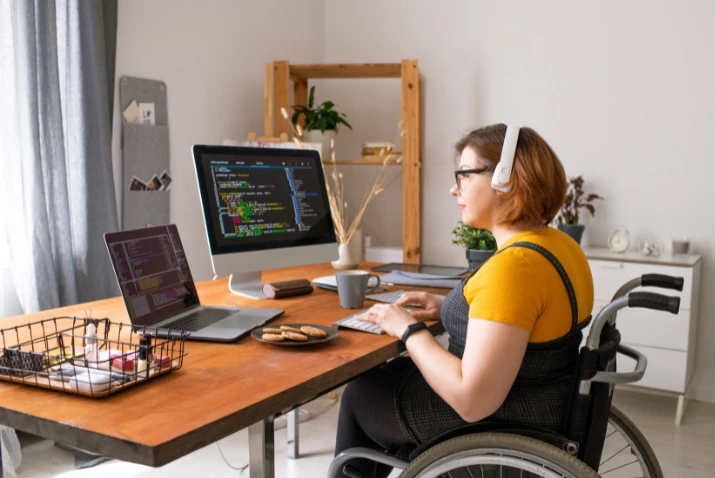
3. Can you create a home office, even just a small one? As flexible working grows in popularity, having a separate space where contact-holders can work from home in peace when needed is going to become a more common request. Is there a part of a room that could be sectioned off, a large cupboard that could be repurposed, or if you have an attached garage, could you convert part of that?
4. Parking is particularly important to older contact-holders, with the over-55s ranking it as one of their biggest considerations. So, it’s well worth having at least one parking space, even if that means sacrificing some of the front garden. Bear in mind though that there are rules and standards governing dropped kerbs, including local authority approval and compliance with highways and building regulations where applicable.
5. Does the property have a flexible layout that would enable it to be turned into an HMO? Although you might prefer to let it on a single tenancy at the moment, demand could shift in your area in the future. Being able to carry out a light conversion could allow you to change with the market and even increase your rental yield, rather than risking void periods or having to sell.
(Note that this would require planning permission for change of use and expenditure on increased safety and legal requirements so check with your local council about their policy and any restrictions.)
The best way to make sure you’re keeping up to date with contact-holder expectations is to work with a qualified agent - someone who’s speaking to contact-holders every day and matching them to the most suitable properties.
If we don’t already let or manage your property and you’d like to find out about how we work with our landlords when upgrades and other changes are required, just get in touch with your nearest branch and speak to one of our lettings experts.
Podcast: Listen to our national lettings managing director, Allison Thompson MARLA, discussing ‘The changes landlords will need to adapt to in 2026’.