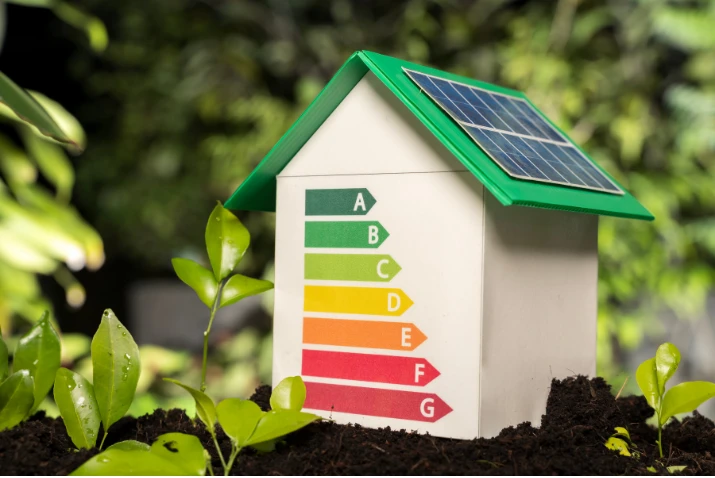
For many years, successive governments have made it clear they want to raise the minimum Energy Performance Certificate (EPC) rating for a property to be legally let from the current E to C. While various dates for implementation of this rule have been proposed and amended, it was only recently that a firm decision was made.
In January 2026, the Government announced that 1st October 2030 will be the deadline for private landlords in England and Wales to comply with the new standards, under Phase 3 of the introduction of Renters’ Rights Act measures.
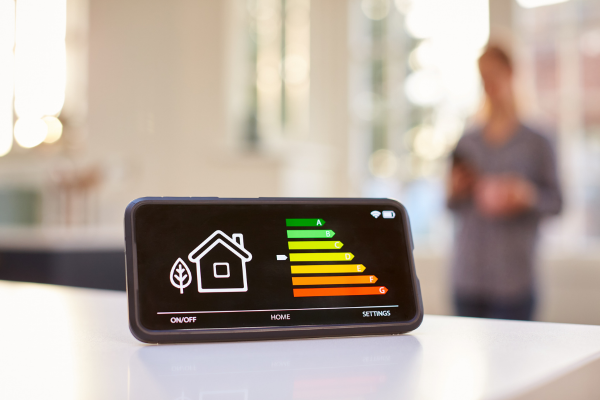
Currently, domestic EPC ratings simply indicate how costly it will be to heat and light a property. This system will be replaced with four separate metrics that will give consumers clearer and more useful information and help the government to be more targeted in addressing issues such as fuel poverty and net zero:
• Energy cost
• Fabric performance
• Heating system
• Smart readiness
EPCs also already show the likely carbon emissions of a building, and this will continue to be shown as a secondary metric.
What will the new rules be?
On 1st October 2030, the minimum fabric performance standard will come into effect for the private rented sector (PRS) – a rating of C or above – and landlords will have to also meet either the heating system or smart readiness standard.
If you have a current EPC with a rating of C or above on that date, it will continue to be valid until it expires, at which point you will need to satisfy the new additional requirements.
The number of available exemptions will be increased, but the cost cap will be raised to £10,000. This means landlords are obliged to spend up to this amount on improvements before they can apply for an exemption based on cost, if the property still cannot achieve a C rating. Any money spent on energy-efficiency improvements since October 2025 will count towards the new cap.
Finally, the maximum fine for non-compliance will increase from the current £5,000 to £30,000.
What does this mean for me as a landlord or seller?
The new law will only apply to the rented sector, but it’s worth ensuring your own home is also as energy efficient as possible. The higher the EPC rating and the more up to date the heating system, the cheaper, easier and more environmentally friendly it will be to heat the property. That should make any home more attractive to buyers and contract holders alike and help protect and even boost the capital value.
Estimates are that somewhere between 2.5 and 2.9 million properties need upgrading, so if your property is currently rated D or E, it’s worth starting to make improvements now, as demand for contractors and materials is bound to increase as we get closer to the deadline.
Beginning work sooner rather than later also means you can make necessary improvements over time and spread the cost across tenancy cycles.
If you do need to upgrade your heating system, it’s worth checking whether you are eligible for a grant through the Government Boiler Upgrade Scheme, which offers £7,500 towards a ground or air source heat pump and £5,000 towards a biomass boiler.
More detailed information on the changes can be found on the Government website and EPC Advisor.
If you have any questions or concerns about your property and how the upcoming changes will affect you, we’re always here to help. Just get in touch with your nearest branch and speak to one of our experts.