When a property becomes damp, for whatever reason, it needs to be dealt with, otherwise mould starts to form. Not only can damp issues affect the fabric and contents of the property, but mould spores present a significant health risk to the people who live there. If inhaled, spores can cause breathing problems, which could lead to a lung infection and even death.
Landlords are already legally required to keep their rented homes safe for contract holders and free from certain hazards, which include damp and mould. If a contract holder reports an issue with the condition of their home, it must be addressed and fixed within a ‘reasonable’ period of time. And once the new Decent Homes Standard is introduced under the recently-passed Renters’ Rights Act (England only), a specific timescale will be set for landlords to fix these issues.
According to the latest English Housing Survey for 2023-24, 5% of homes in England had a problem with damp in 2023 – the highest proportion for five years. In the private rented sector, that figure was 9%, with serious condensation being the most common cause.
What is condensation?
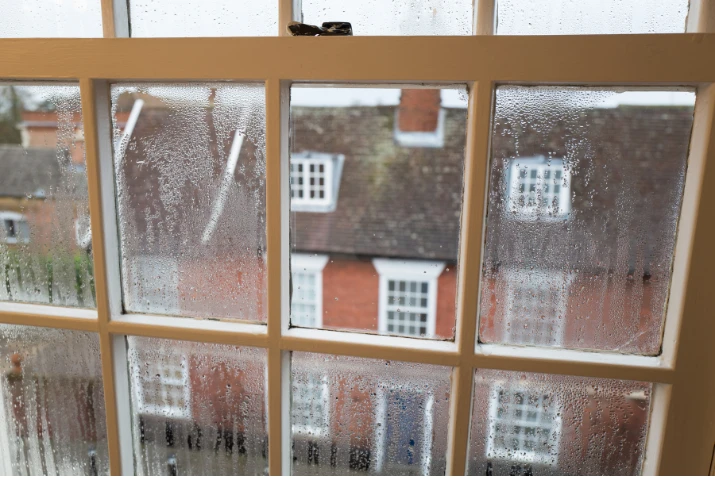
Condensation forms when warm air can’t escape from a room and meets a cold surface. The sudden difference in temperature causes the air to condense into water droplets, which we commonly see on windows in the colder months. Moisture also forms on external walls, although this can be harder to spot.
If the droplets are left, surface mould or ‘mildew’ will start to grow. These little grey/black specks are often found in bathrooms where there’s a lot of humidity and often not good ventilation, but they can appear throughout a property, as everyday tasks – including breathing! - release warm air into the atmosphere.
Why is condensation and damp a particular problem in winter?
As the weather gets colder, condensation becomes much more common, for two main reasons:
1. Windows and walls are colder and the difference in temperature between the outside and inside becomes greater.
2. In an effort to stay warm, we’re much less likely to open windows to ventilate, so there’s an increase in the amount of warm air being trapped inside.
And because the external walls are cold and there’s more dampness in the air outside, if there’s a bigger issue caused by penetrating damp (water seeping in from outside) or rising damp (moisture coming up from the ground), it can spread more quickly. If the temperature drops below zero, walls can be damaged further through the wet areas freezing and then thawing.
7 top tips to help avoid condensation, damp and mould
1. Make sure there is some natural ventilation in the property – trickle vents in the windows, air bricks etc.
2. Install powerful extractor fans in the kitchen and bathroom and any room used for drying clothes.
3. Use anti-mould paint in high-moisture rooms, including the kitchen, bathroom and laundry room.
4. Our bodies release a lot of moisture at night, so it’s helpful to ventilate bedrooms by opening the window for an hour or so, even when it’s cold.
5. Homes need to be kept well heated to avoid the fabric of the property becoming too cold and attracting damp.
6. Inspect the outside of the property every 6-12 months to make sure the guttering is in good condition and there are no cracks in the brickwork or gaps in roof tiles where water could penetrate.
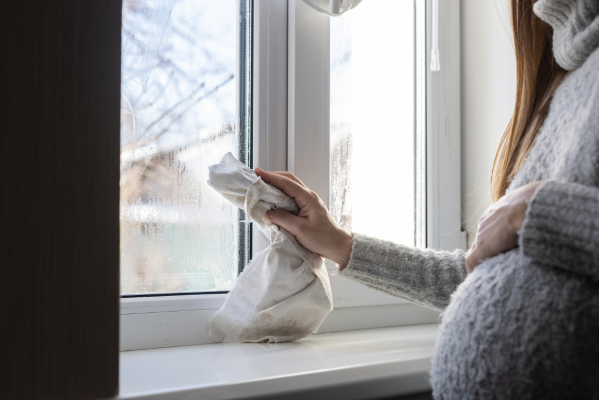
7. Ensure condensation is wiped away as soon as it forms.
Finally, make sure you check the following areas periodically for signs of mildew and damp so you can address it quickly:
• Around windows where condensation is most likely to form
• Above the shower in the bathroom
• Behind furniture that’s positioned against walls
• At the bottom of walls – particularly on the ground floor, which can be affected by rising damp
• Higher up on walls upstairs, where water can penetrate if the roof, guttering or external brickwork is damaged
If you do find surface mould, clean it away using anti-mould / anti-fungal spray, and if there are any more serious signs of damp, contact a specialist to arrange an inspection.